
My first cup of coffee rested on the balcony ledge until it became cold. Emptying the cup down the drain, my second cup of coffee kept my hands warm until I decided to return indoors. It wasn’t until I was three pours in that I realized I had yet to take a sip. I opened the blinds, pulled a chair to the window, and propped my feet in fuzzy slippers upon the sill. The chill of the glass kissed my toes as I tapped to the playlist of lazy jazz music. Before the cold reached my lips, I took my first sip.
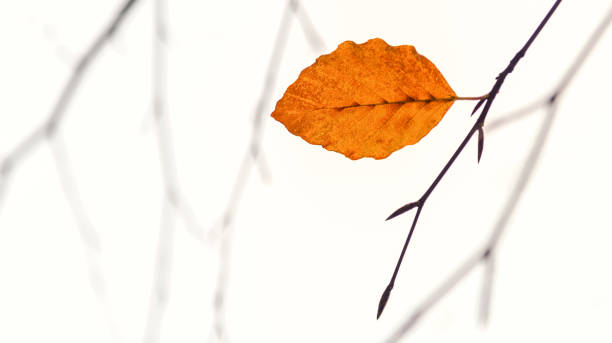
Ten minutes turned into twenty, but I was determined to remain until the last leaf fell from the tree: one golden heart that wiggled upon the branch. It was not until the tree was naked before me that I realized the leaf never fell — it simply let go.
I put on some slippers and ran downstairs and outside with the anticipation of a child, hoping to see the leaf touch the ground. When I arrived, leaves were all about me, bubbling in the breeze like colorful apples being tossed in caramel. Above me were the branches, now stripped and thin. Yet, they had done their job, nursing the leaves until they were satiated and saturated in beauty.
Nature is a wise teacher.
As a new butterfly must push through and against the stiff layer of the chrysalis to complete its transformation, so must we experience the often-painful process of emerging, being, and letting go. And yet, in letting go, we grieve and gain; grieve what was and gain what is. We learn that we must let go to grow.
The egg and seed know this process all too well. Both must be broken for life to emerge. Likewise, Christians must recognize our brokenness to be fully restored to God through Christ Jesus. Acknowledging that our own power cannot save us, we are left to either reject or accept the grace of Christ for redemption.
Change brings a shift and often is accompanied by loss. It is easy to mourn what was because we have experienced it; often, it is harder to hope for what will be because that requires faith. When the leaves let go of the branch, they are considered dead. In truth, the leaves are preparing for yet another stage that will enable them to be broken down and returned to the land. Likewise, death is not the end of life for Believers. When we let go and surrender to Christ, we are reborn. We will be nurtured and nourished in life eternal.
“Do not cling to events of the past or dwell on what happened long ago. Watch for the new thing I am going to do. It is happening already — you can see it now. I will make a road through the wilderness and give you streams of water there” (Isaiah 43:18-19, GNT).
We live in a fallen world — not a surrendered world. There is a difference between falling and letting go. In a fallen world, we have forgotten who is in control; therefore, we exist in conditions where everything seems topsy-turvy. Letting go, however, involves trust and surrender: the loosening of control with the belief that what is beyond our ability is already in the hands of God.
“The LORD himself goes before you and will be with you; he will never leave you nor forsake you. Do not be afraid; do not be discouraged” (Deuteronomy 31:8, NIV).
God has seen the changes and sacrifices you have made this year. He knows your thoughts — the ones that keep you up at night and make you bite your tongue during the day. God also knows your struggle to let go of pain (present and past) or people and positions that no longer honor your highest calling. God knows how hard you try, and He knows how often you fall short. And still, God calls to you by name, reaching out His hand, and whispers, “Let go, and follow Me.”
Tiffany Kaye Chartier
SGLY, dear reader.
(Smile, God Loves You.)

 Tiffany Kaye Chartier, Author